
From COP31 to Antarctica: Two UK alumni tackling climate change
Georgia Monaghan and Dr Theresa Cole are putting British Council funding towards youth wellbeing at COP31 and ancient DNA research in Antarctica.
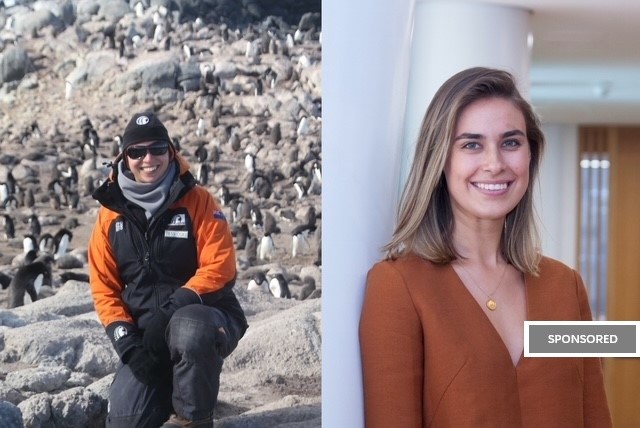
An Australian charity co-founder and an Adelaide researcher have each received a British Council Alumni UK Grant. One is supporting young delegates at the UN climate talks. The other is reading around 50,000 years of history in Antarctic seabird deposits.
Climate action takes many forms. For two Australia-based graduates of UK institutions, it means caring for the young people taking part in global negotiations, and looking back across millennia to understand how the natural world has changed.
Georgia Monaghan (pictured above right), co-founder of ECOMIND, and Dr Theresa Cole (pictured above left), a researcher at Adelaide University, are the Australian recipients of the British Council's Alumni UK Grant Programme 2026–27. Each grant is worth up to £5,000 ($9,600 AUD) and is designed to help alumni turn climate action ideas into reality.
Alumni UK is the British Council’s global network for international graduates of a UK education, including those who studied transnationally or online. Launched in 2022, it offers events, webinars, grants, scholarships and competitions, and helps alumni connect and collaborate. The 2026–27 grants support alumni-led projects on climate change, sustainability, inclusion and inequality. In Australia, this round focused on climate action and sustainability.
The grants are part of British Council Australia’s year-long programme of climate and environmental work marking COP31, the UN Climate Change Conference. COP31 runs in Antalya, Türkiye, from 9 to 20 November, with Australia holding the role of President of Negotiations.
Helen Salmon, Director, Australia at the British Council, said the grants support those already working to achieve change.
“When we opened these grants, we wanted to back people already leading climate action in their communities,” she said.
“Georgia and Theresa show how far that reaches, from supporting young advocates at COP31 to tracing around 50,000 years of change in Antarctica. Climate and environment are woven through our strategy at the British Council in Australia. These initiatives demonstrate the breadth of the response that is urgently required.”
Wellbeing at COP31
UN climate talks can be draining, especially for young people. ECOMIND, Australia’s leading youth climate mental health and wellbeing charity, is running a dedicated Wellbeing Corner in the Children and Youth Pavilion at COP31.
Georgia Monaghan, its co-founder, spent a semester at the University of Leeds in 2014 while completing her degree at the University of Newcastle.
The Corner offers peer support, mental health first aid and counselling triage. A buddy system pairs first-time delegates with experienced ones, and daily workshops focus on creativity, connection and mindfulness. Before the conference, peer supporters and delegates completed the ECOMIND Certificate training, with debrief sessions to follow afterwards.
For Ms Monaghan, the grant is about more than practical support.
“Receiving this grant is recognition that how we do climate work matters as much as what we achieve,” she said.
“Young delegates arrive at COP carrying enormous hope and pressure, and too often they leave burnt out. Looking after the people doing the work is how we make sure the outcomes last.”
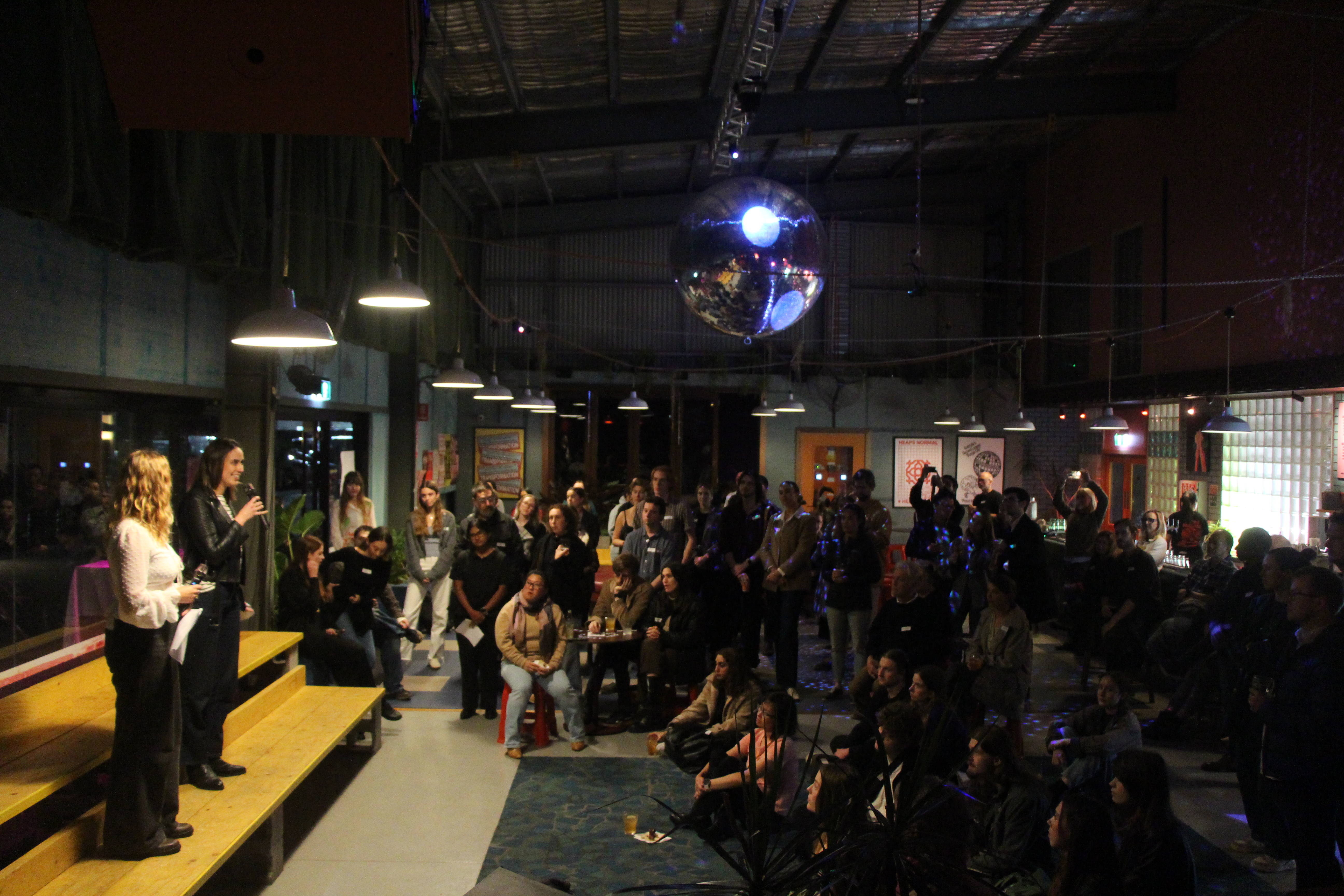
The funding covers the essentials that make the Corner possible: refreshments to keep delegates nourished through long days, creative and wellbeing materials for reflection and rest, and resources for the peer supporters who care for young people when it matters most.
The project aims to reduce burnout among young climate leaders and help them sustain their advocacy for the long term. It also sets out to show why wellbeing support should become a standard feature of future COPs.
A history written in seabird deposits
Dr Theresa Cole graduated from the University of Stirling in 2011 and is now a Ramsay Fellow at Adelaide University. Her research starts with an unusual archive. Snow petrels are Antarctic seabirds that return to the same colonies for generations. Their stomach oil deposits, known as mumiyo, build up in layers over time, creating a natural record of the past.
A pilot study showed for the first time that mumiyo can preserve ancient DNA.
“Receiving this grant means I can move beyond the pilot study and undertake a full study of snow petrel populations in the Weddell Sea region,” Dr Cole said.
“We now know that DNA can be recovered from this material, something previously thought to be unachievable, and this project will allow us to explore these deposits like pages in a book, revealing a record of what snow petrels have encountered over time.”
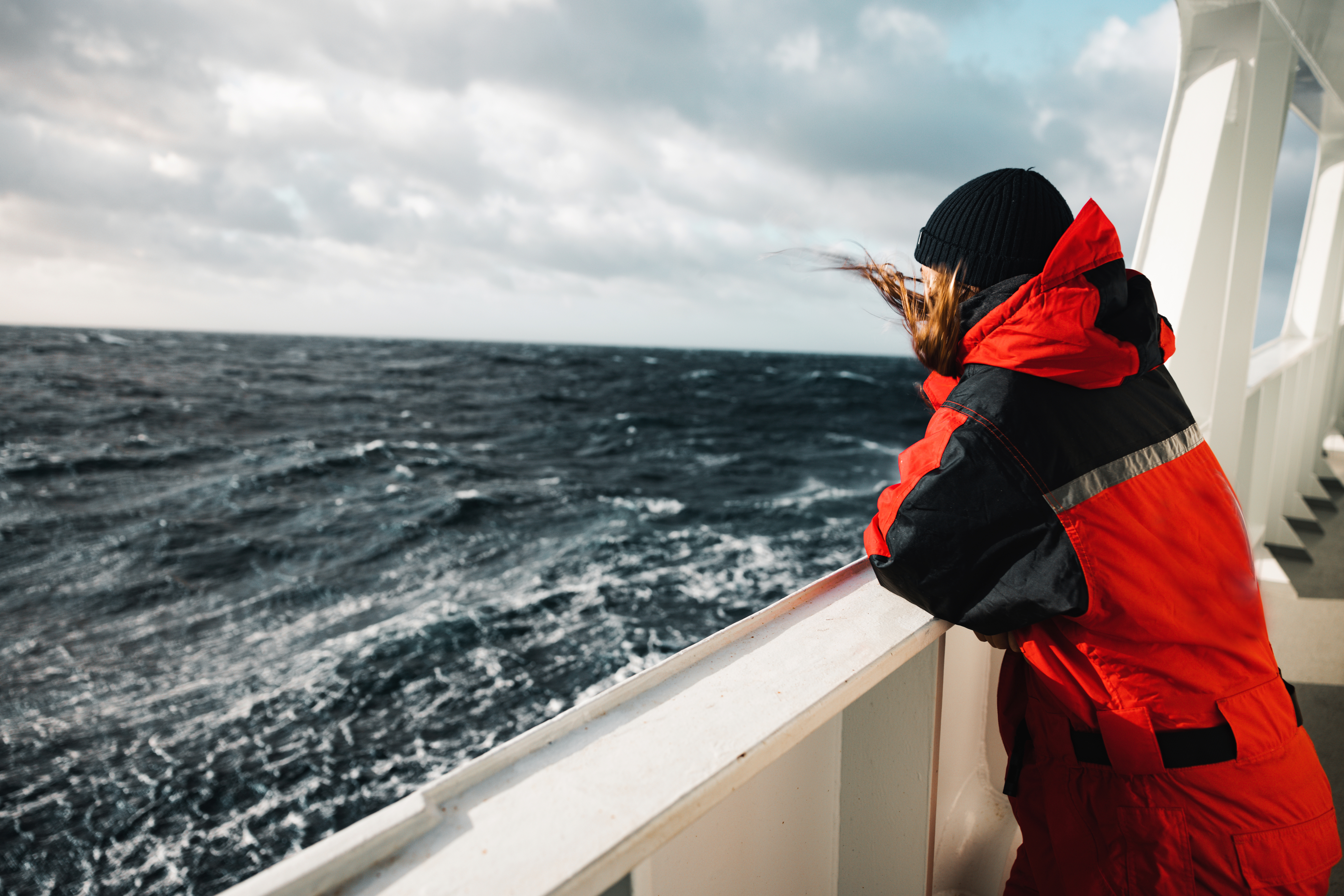
The project will analyse 68 dated samples from Dronning Maud Land, in Antarctica’s Weddell Sea region, some up to around 50,000 years old. It aims to show how coastal ecosystems and food webs have shifted over millennia, helping scientists distinguish natural variation from human-driven change.
The samples are held at Durham University in the UK, and the work also brings together Adelaide University, the Australian Antarctic Division, the University of Cologne in Germany, and BGI Group in China. Its findings are intended to inform conservation, including the proposed Weddell Sea Marine Protected Area.
The two projects could hardly be more different. One supports young delegates in real time at COP31. The other draws on evidence laid down over tens of thousands of years. Together, they show how UK alumni in Australia are tackling climate change in their own ways.
Part of a wider programme
The Alumni UK Grants sit within a broader programme of British Council climate work across Australia. It includes exhibitions, artist residencies, grants, and long-term collaborations with organisations such as Creative Australia and Julie's Bicycle.
At COP31, Dr Jen Rae is joining British Council activities. She co-founded Creative Climate, the national peak body for arts and climate and a major multi-year British Council partner. Delegates can also tune in to Radio Climate, a First Nations and artist-led transmission project, and explore BILYA, a relational mapping platform grounded in First Nations protocols.
In Sydney, the British Council is Industry Partner for Es Devlin’s Come Home Again and a series of talks at the opening of Powerhouse Parramatta.
British Council Australia’s work on climate and with UK alumni will continue beyond COP31. To find out more about Alumni UK or join the network, visit britishcouncil.org/study-work-abroad/alumni-uk.
Do you have an idea for a story?Email rcox@intermedia.com.au